Cycling
A cycling shoe dial closure needs to hold reliably while the rider is moving, applying load, and making small fit changes. ETIE frames cycling projects around stable operation, reachable adjustment, compact packaging, and the right balance between refined feel and structural support.
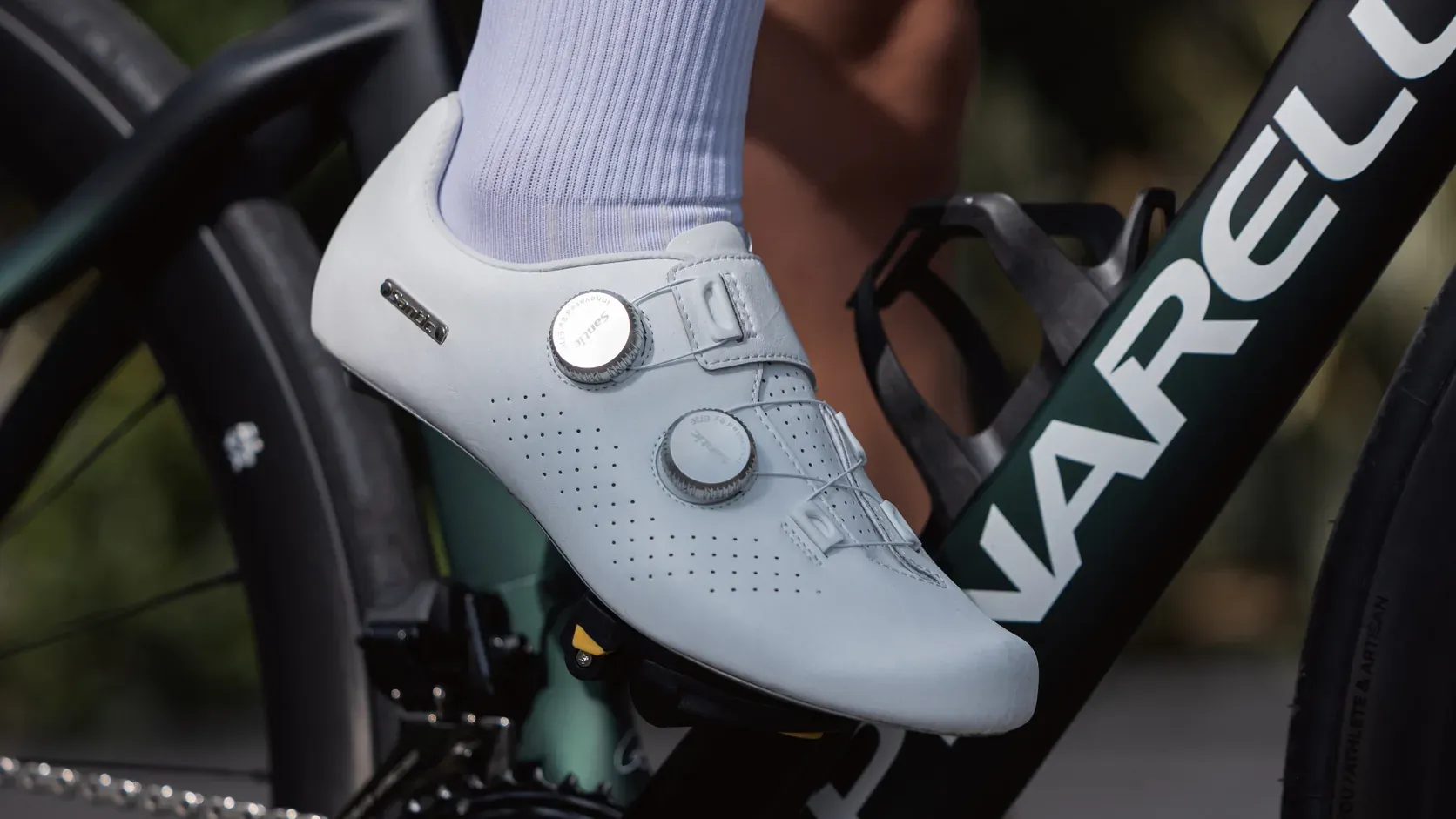
What the application asks from the dial system.
Category needs become integration questions: where the dial sits, how tension moves, and what the product must tolerate in use.
Reachable dial access in riding posture
Consistent tension under pedaling load and vibration
Compact packaging around stiff uppers, shells, or retention structures
Repeatable fit across road, gravel, training, and long-duration use
What this category should deliver.
A compact view of the user-facing value ETIE needs to preserve while the mechanism is adapted to the product.
Micro-adjustable control
Cycling products benefit from small fit changes while the user is already in motion, under load, or wearing gloves.
Uniform support
ETIE maps lace direction, dial position, and closure zones so tension can distribute cleanly across stiff uppers or retention structures.
Secure performance feel
Li10 and M10 are used as starting points when cycling products need responsive operation, firmer feedback, or stronger support.
How ETIE frames the system choice.
The platform decision starts with product structure and use condition, then narrows toward L10, Li10, or M10.
Li10 for refined response · M10 for firmer, structure-heavy cycling products
Road shoes · gravel shoes · training gear
Ride-posture access, tension balance, shell clearance, and repeated adjustment checks
Reference product formats for this category.
Representative formats for discussing structure, platform choice, and sample requirements.

Discuss this application with ETIE.
Share the product type, use condition, and current development stage. ETIE can review platform direction and sample needs.